What Is SPF & Do You Really Need It Every Day?

When people talk about skincare, SPF often comes last. It’s the afterthought. The step that’s easy to skip, forget to reapply or avoid altogether because it feels heavy, leaves a white cast or doesn’t sit well under makeup.
But sun protection is not a seasonal extra. It's the most effective way to prevent skin damage induced by external factors, which can lead to visible aging, uneven tone and loss of firmness. Still, many people are not entirely sure what SPF actually does, how much they need or how to use it properly each day.
FAQs: SPF Facts, Myths & Daily Use
What does SPF mean?
SPF stands for Sun Protection Factor. It’s a measure of how well a product protects the skin from UVB rays, the type of ultraviolet radiation responsible for sunburn.
There are a variety of SPF values, most commonly 15, 30, 50 and 100, which indicate level of protection. SPF 30 or higher is always recommended and, when applied correctly, it allows skin to tolerate roughly 30 times more UVB exposure than it could without protection. SPF 50 offers slightly higher protection, filtering about one percent more UVB rays, but it doesn’t double the level of defense.
How does SPF work?
SPF works by reducing the amount of ultraviolet radiation that reaches the skin. While UVB rays are responsible for burning, UVA rays penetrate deeper into the skin and contribute to long-term visible skin changes, or signs of premature aging. For this reason, broad-spectrum protection matters because it helps defend skin against both UVA and UVB rays.
Now, there are two types of sun protection: chemical (sunscreen) and physical (sunblock). Physical sun protection ingredients are always mineral, such as titanium dioxide and zinc oxide. Such minerals are found deep within the earth and ground into ultra-fine powders that act like a mirror to deflect UVA and UVB rays, often making them less irritating than traditional chemical sunscreens.
TIP: To help you remember the above, think UVA for ageing and UVB for burning.
Is SPF 30 enough?
SPF 30 can provide effective daily protection when applied correctly. It filters around 97 percent of UVB rays, making it well suited to everyday wear, particularly in urban or low-exposure environments.
For many people, SPF 30 offers a balance of protection and comfort that encourages consistent use, which is key to long-term results. But remember, reapplication is key!
Can you wear SPF 50 every day?
Yes, SPF 50 filters slightly more UVB rays than SPF 30 (around 98 percent), offering an added margin of protection. While the difference is small, it can become more meaningful with cumulative sun exposure.
SPF 50 provides a high level of protection and can be worn daily as part of your skincare routine. Like all sun protection, it should be reapplied regularly, especially after sweating, swimming or towel drying, to maintain effective protection regardless of SPF level.
How much SPF should you use?
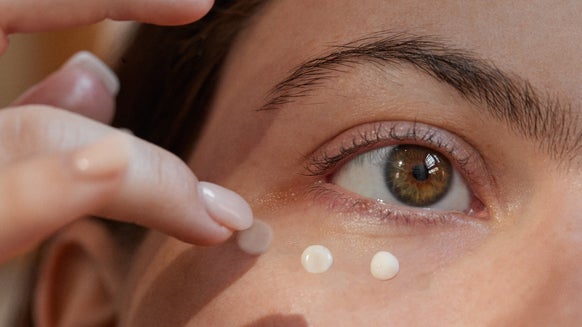
More than most people expect. The American Academy of Dermatology recommends at least a teaspoon for the face and neck and approximately a shot glass amount for the entire body. This is considered the minimum amount, and you may need to adjust depending on body size and the amount of exposed skin.
Using less than this reduces the level of protection you receive. To achieve the SPF value as stated on the label, sun protection must be applied evenly and generously to all exposed areas.
Does SPF expire?
Yes, SPF has an expiry date, so always check the packaging before use. Over time, UV filters break down and become less effective. Most formulas last around two years, although heat, light and air exposure can shorten their lifespan.
If the texture changes, the scent seems “off” or the expiry date has passed, it is time to replace it. Using expired SPF is not worth the risk.
Can you tan while wearing SPF?
Yes. SPF reduces UV exposure but doesn’t block it entirely, especially if it isn’t applied or reapplied correctly.
Tanning is a sign that skin has been exposed to ultraviolet damage. Over time, repeated unprotected exposure contributes to collagen breakdown and uneven pigmentation. If maintaining healthy-looking skin is a priority, consistent sun protection matters.
Does SPF block vitamin D?
Not completely. Even when SPF is applied, some UVB rays necessary for vitamin D production still reach the skin, particularly if application isn’t perfectly even or regularly reapplied.
Clinical research hasn’t shown a clear link between daily sun protection use and vitamin D deficiency in the general population. If vitamin D levels are a concern, dietary sources or supplements may be a more reliable option, under the guidance of a healthcare professional.
What’s the difference between mineral vs. chemical sunscreen?
Mineral sunblocks use zinc oxide or titanium dioxide to provide UV protection and are formulated to deliver broad-spectrum coverage. They sit on the skin’s surface and are often well suited to sensitive skin types.
Chemical sunscreens work differently. They absorb UV rays and convert them into heat before the radiation can affect the skin. Common ingredients include avobenzone and octinoxate.
Both types are designed to protect skin when formulated and applied correctly. Consistent daily use and proper application determine how effective any sun protection will be.
How often should you reapply?
Sun protection should be applied 15 to 30 minutes before sun exposure to allow it to form an even protective layer. Once applied, its effectiveness gradually decreases due to sunlight, sweat, friction and the skin’s natural oils.
When exposed to daylight, SPF should be reapplied every two hours, and immediately after sweating, swimming or towel drying. While formulas are designed to remain stable in normal conditions, consistent reapplication is essential to maintain the level of protection stated on the label.
How often should you apply SPF moisturizer?
Perricone MD SPF moisturizers are designed to be used daily, combining hydration and skin-supporting benefits with broad-spectrum protection.
Apply your SPF moisturizer generously as the final step in your skincare routine (and before makeup). Allow it a moment to absorb before layering foundation or concealer on top. This first application sets your baseline protection for the day.
If you’re not wearing makeup, SPF moisturizer can be reapplied directly to clean, dry skin as needed. When makeup is part of your routine, spray SPF formats can be applied over makeup to help reinforce protection without disrupting your base.
Why do you need to wear SPF every day?
Sun exposure doesn’t only happen on bright, sunny days. UVA rays are present year-round, passing even through cloud cover and glass.
Daily exposure accumulates over time, affecting skin structure and resilience. Wearing SPF consistently helps protect against this gradual damage, supporting smoother texture, more even tone and healthier-looking skin long-term.
Think of SPF as preventative skincare. It helps protect the progress made by the rest of your routine and supports skin longevity over time.
Choosing the Right SPF for Your Face
Your daily SPF should do more than shield skin from the sun. Our SPF moisturizers are formulated to hydrate, smooth and support healthy-looking skin, with broad-spectrum protection built in.
Best for: Aging or dry skin with concerns of loss of firmness and fine lines
Why: Lightweight, hydrating and visibly firming
Best for: Dullness, dark spots and uneven tone on sensitive or oily skin
Why: Brightens and smooths without oil or fragrance
Best for: Most skin types, especially those wanting lightweight coverage and antioxidant protection
Why: Hydrates with a sheer tint for a healthy glow
The Bottom Line
SPF isn’t a beach-day extra. It’s a daily essential that helps protect skin from both immediate and long-term damage.
If you care about your skin’s health, texture and longevity, SPF is your first line of defense. Choose one you’ll use every day, apply it properly and reinforce protection when needed.