How to Know If Your Skin Barrier Is Damaged

Here's the truth: summer isn't kind to your skin barrier. More sun, more pollution, more time outdoors exposed to the elements that wear it down. If you're going to finish out the season with healthy, balanced skin, your skin needs proper support.
Let's get you there.
What Is a Skin Barrier?
Your skin is your largest organ, so it must be prioritized as such. The epidermis, or the outermost layer of your skin, is your skin barrier, and it has one job that matters enormously: keep the good in, keep the bad out.
A healthy barrier, therefore, locks in water and holds the line against environmental aggressors and allergens. A compromised barrier does neither.
What Compromises a Barrier?
Natural skin aging, UV overexposure, skipping sunscreen, pollution, radiation, extreme temperature changes, over-exfoliation and harsh skincare can wear at your skin barrier.
Science calls this kind of damage “extrinsic skin aging.” That's aging driven by factors outside the body, from the sun to your own lifestyle choices. Research has connected these barrier-compromising aggressors directly to wrinkles and pigmentation.
What Does a Damaged Skin Barrier Look Like?
Your skin talks. Balanced, hydrated, smooth skin is telling you it’s functioning properly. It's holding moisture in and keeping aggressors out, exactly as designed. Any shift in texture, tone, or overall appearance tells you to pay attention.
Here are some of the key signs your barrier needs support.
Redness, Sensitivity, Inflammation and Irritation
An imbalanced or damaged barrier is more reactive because it’s unable to block irritants and allergens the way it once could. This results in sensitivity that can show up as visible redness, inflammation and irritation.
Dehydration
Because an unhealthy barrier can't hold onto moisture, dehydration is practically inevitable. With it comes skin tightness, flakiness and sometimes rougher, bumpier texture as pollutants take hold.
Rosacea and Eczema Flare-Ups
If you already manage either of these chronic skin conditions, a compromised barrier can exacerbate their visible effects.
Breakouts
Like the aforementioned irritants and allergens, bacteria also exploit a damaged barrier. More entry points for bacteria to creep in means more breakouts.
Where Hyaluronic Acid Fits In
Nearly half of the hyaluronic acid that naturally exists in your body lives in your skin, and it depletes with age. Topical application helps offset this decline by supporting your skin's ability to hold onto moisture as natural HA levels drop.
Our
The complex delivers immediate and sustained hydration, working alongside niacinamide and DMAE to reinforce the barrier. The results speak for themselves: in a clinical study of 35 women, 80% showed significant improvement in their skin barrier after eight weeks of use.
How to Support and Nourish a Damaged Skin Barrier
Recognize a few of these signs in your own skin? Here's your recovery plan for how to restore your skin barrier, one step at a time.
Simplify Your Routine
Use fewer products and gentler formulas until your skin rebalances. Cut out anything aggressive first. Harsh physical exfoliation has no place in a recovery routine.
Reach for Calming Ingredients, Not More Actives
Bring in ingredients built to soothe and nourish, like glycerin, ceramides, niacinamide and antioxidants that visibly reduce redness as your barrier repairs.
Wear Broad Spectrum Sunscreen Every Day
A gentle mineral-based broad-spectrum SPF protects against aging UVA and burning UVB damage, rain or shine. No exceptions.
Hydrate Constantly
Hydration is essential from the inside-out and outside-in. When it comes to skincare, incorporate hyaluronic acid-rich serums and moisturizers to help rebuild your skin's natural moisture barrier.
Feed Your Skin From Within
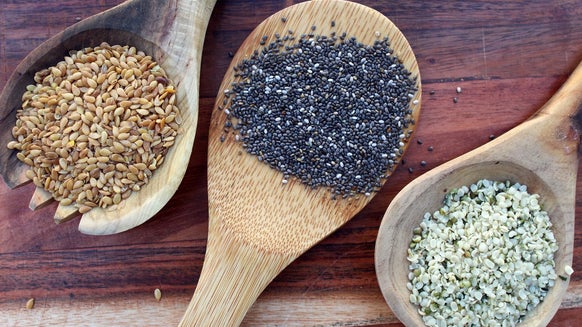
A diet rich in fatty acids and omega-3s, supported by the right supplements, gives your skin the building blocks it needs to look and function better.
Get Plenty of Sleep
Research consistently links poor sleep to weakened skin integrity. Protecting your barrier means protecting your rest.
How to Strengthen Your Skin Barrier for Good
Knowing how to fix a damaged skin barrier is only half the equation. Keeping it strong is the other half, and it's the far easier one.
Commit to daily SPF, stick to a consistent hydrating routine, eat a diet that supports your skin from the inside and skip over-exfoliation entirely.
A healthy skin barrier is the foundation everything else is built on. We're here to help you build it right.