Pimples, Blackheads & Whiteheads: What’s The Difference?
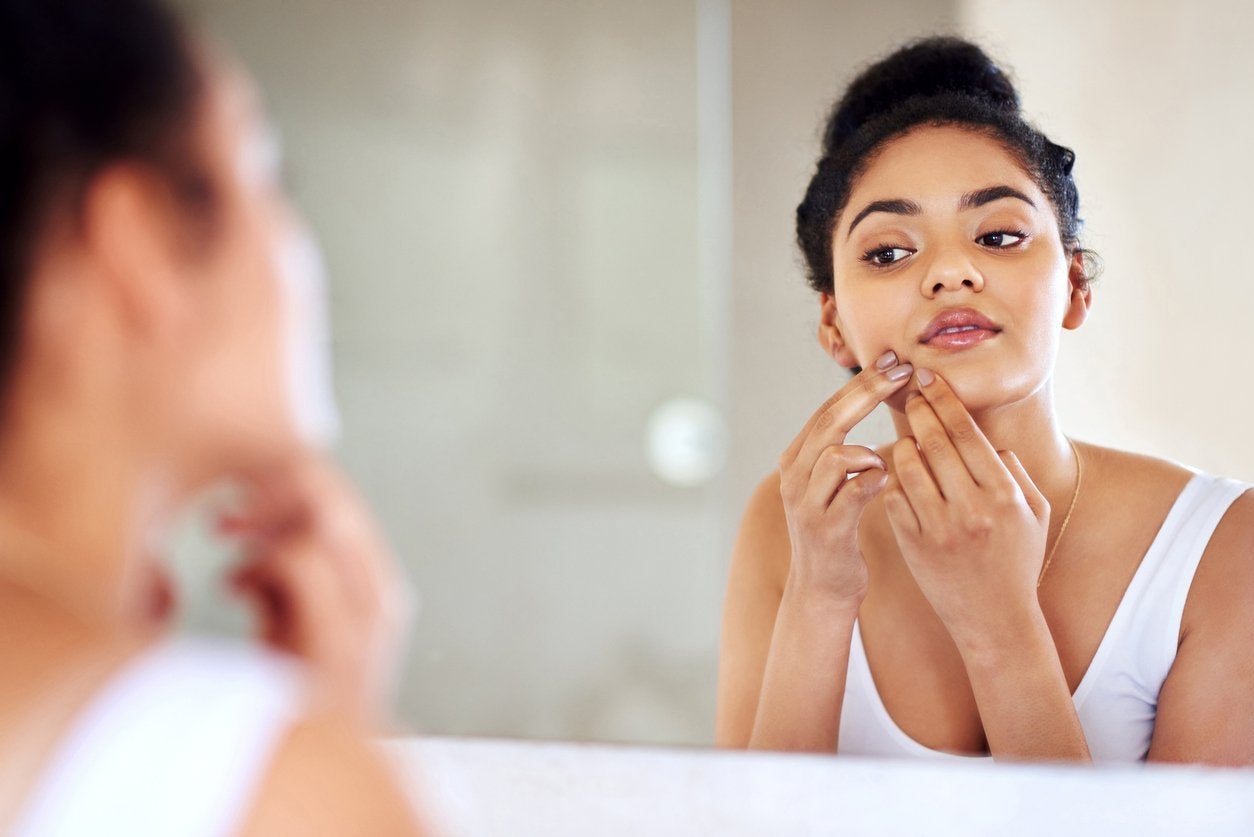
As common as pimples, blackheads and whiteheads are, the difference is not as commonly understood. While they can all appear on blemish-prone skin, they are each unique, forming differently and requiring individual treatments.
Understanding the differences can help you choose skincare ingredients that support clearer-looking skin.
What Causes Pimples, Blackheads and Whiteheads?
The cause of pimples, blackheads and whiteheads are often excess oil, dead skin cell buildup and trapped impurities leading to visible congestion and irritation. Hormonal fluctuations, genetics, certain skincare products, cosmetics and gut health can also influence how often breakouts occur. When any of these factors combine, blemishes can develop and skin can appear uneven in both texture and tone.
Types of Blemishes: Understanding Different Breakouts
The type of blemish that forms depends on how the pore becomes clogged and whether visible irritation is present.
What Is a Pimple?
A pimple is a visible blemish that can develop when a clogged pore becomes irritated. Pimples often appear as red bumps or pus-filled spots and may feel tender to the touch.
What Are Whiteheads?
Whiteheads, also known as closed comedones, form when a pore becomes clogged but remains closed at the skin’s surface. The trapped oil and debris stay beneath the skin, creating a small white or flesh-colored bump.
What Are Blackheads?
Blackheads, or open comedones, occur when the clogged pore remains open. The trapped oil inside the pore reacts with oxygen in the air, which causes the dark appearance associated with blackheads.
Blackheads commonly appear on the nose, chin and forehead where oil production tends to be higher.
What Are Deep, Persistent Blemishes?
Some blemishes develop deeper beneath the skin and may appear as larger, more noticeable bumps. These can feel tender or uncomfortable and may take longer to settle than surface-level blemishes.
If breakouts are persistent, painful or leaving visible marks, it is best to speak to a dermatologist or healthcare professional for personalized advice.
Blackhead vs Whitehead: What’s the Difference?
Both blackheads and whiteheads develop from clogged pores. The difference is whether the pore stays open or closed.
To summarize the above simply, a whitehead is a closed clogged pore (there isn’t enough oil buildup to stretch the pore open), while a blackhead is an open clogged pore. Whiteheads can eventually lead to blackheads as the body produces more oil and that over-production creates pressure in the pore, causing it to stretch and appear open. The dark color of a blackhead is not dirt, it is caused by oxidation.
Zit vs Pimple: Is There a Difference?
“Zit” is simply a slang term for pimple that became popular in the 1960s. In practice, the two terms refer to the same type of visible blemish.
How to Help Reduce the Appearance of Whiteheads and Blackheads
Avoid squeezing blemishes whenever possible, as this can increase irritation and raise the risk of visible marks.
Instead, maintain a
A Three-Tier Approach to Supporting Clearer-Looking Skin
Managing breakouts typically involves more than one step. A balanced approach that includes diet, supplements and topical skincare can help support overall skin health from the inside-out and outside-in.
Anti-Inflammatory Diet
What you eat can influence the appearance of your skin. Dr. Perricone has long advocated for an inside-out approach to skincare through nutrient-dense foods rich in antioxidants, healthy fats and high-quality proteins.
His
Nutritional Supplements
Nutritional supplements can complement a balanced diet and consistent skincare routine to support healthy skin from within. To do so, ingredients like antioxidants, essential fatty acids and key vitamins support skin health and overall well-being from within.
As with any supplement, follow the product directions and seek advice from a healthcare professional if you are unsure what is right for you.
Advanced Topical Skincare
Topical skincare is, of course, another essential part of caring for blemish-prone skin. Cleansers, serums and moisturizers formulated for congestion can help keep pores clear while maintaining skin balance.
Our Acne Relief Collection is a targeted skincare system designed to safely yet effectively treat the three causes of acne (excess oil, acne-causing bacteria and inflammation) for a visibly clear, balanced complexion.
If breakouts persist despite a consistent routine, consulting a dermatologist can help determine the most appropriate treatment approach.