All About the Power of Hyaluronic Acid: Benefits, Use & Pairings
What Is Hyaluronic Acid & What Does It Do?
Hyaluronic acid (HA) is a naturally occurring substance found in the skin, eyes and joints. While its name may have seemed intimidating at first because it contains "acid,” it’s now a staple in modern skincare. And for good reason.
Found naturally in the human body, this powerful humectant draws moisture into the skin and helps keep it there to thoroughly replenish essential hydration for always supple and resilient-looking skin.
Its standout ability? Retaining moisture. Hyaluronic acid holds up to 1,000 times its weight in water, acting like a moisture magnet for your skin.
Why It Matters
About 50% of the body’s hyaluronic acid is stored in the skin, helping to keep it visibly plump, elastic and firm. But as we age, our natural reserves decline, leading to visible signs of aging like fine lines and loss of elasticity.
That’s why topical hyaluronic acid is essential to replenish lost hydration, visibly smooth the skin and help restore elasticity and volume over time.
Hyaluronic Acid Benefits: Beyond the Hydration
Hyaluronic acid does more than just hydrate, it supports skin’s barrier from the inside-out, delivering real, visible benefits:
Increases the look of skin elasticity and bounce Smooths the appearance of texture and fine lines Supports your moisture barrier to help lock in hydration
What to Look for in Hyaluronic Acid Products
Not all hyaluronic acid products are created equal. The most effective formulas use a blend of molecular weights to allow them to absorb effectively into the skin’s surface and deliver long-lasting, multi-dimensional benefits. By maximizing their capacity to leave the skin feeling optimally soft and plump for longer, multi-molecular weights of hyaluronic acid help support healthy-looking skin from every angle.
Take it beyond the face with High Potency Hyaluronic Intensive Body Therapy. Designed for areas like your arms, legs and décolletage, it delivers smooth, radiant and hydrated skin from head to toe.
The Power of Our Hyaluronic 4 + 2 Complex
Featured in the High Potency Collection, our exclusive Hyaluronic 4 + 2 Complex combines:
4 forms of hyaluronic acid 2 natural building blocks of HA
“We utilize 4 forms of hyaluronic acid, all of which work in different layers of the skin to create a three-dimensional matrix of hydration,” says Rosalba Martone, Head of Education for Perricone MD.
The result? Skin that looks and feels smoother, firmer, and more resilient with hydration that lasts.
How to Apply Hyaluronic Acid
How to Apply It
For best results, apply hyaluronic acid to clean, damp skin. This allows it to bind moisture and amplify hydration.
Start with clean, slightly damp skin Apply a few drops of hyaluronic acid serum or a pea-sized amount of hyaluronic acid moisturizer Gently press it into your skin If your HA is in a serum, follow with a moisturizer or facial oil to seal in hydration If applying multiple serums, make sure your HA serum comes last
How Often & How Much Should You Use?
Use twice daily, morning and evening, for best results A little goes a long way – pea-sized for face, more for body
Additional Tips for an Effective Routine
When layering multiple of the same product, HA should always come last. For example, with multiple serums, an HA serum would be last of your serums. With multiple moisturizers, an HA moisturizer would be applied last of your moisturizers. Use daily sun protection. Hydration doesn’t shield skin from UV damage, which accelerates aging and moisture loss Choose gentle, hydrating cleansers instead of harsh ones to avoid stripping skin and compromising hyaluronic acid’s effects Consistency is key. Benefits from hyaluronic acid build over time, so stick to twice daily use
FAQs: Hyaluronic Acid Pairings, Usage & Myths
Can You Use Hyaluronic Acid With Retinol?
Yes, hyaluronic acid and retinol make a powerful pairing. Retinol accelerates surface cell turnover and reduces visible signs of aging but can cause dryness, especially when first starting to use. Hyaluronic acid delivers essential hydration and leaves skin calm to the touch, making it ideal for sensitive skin.
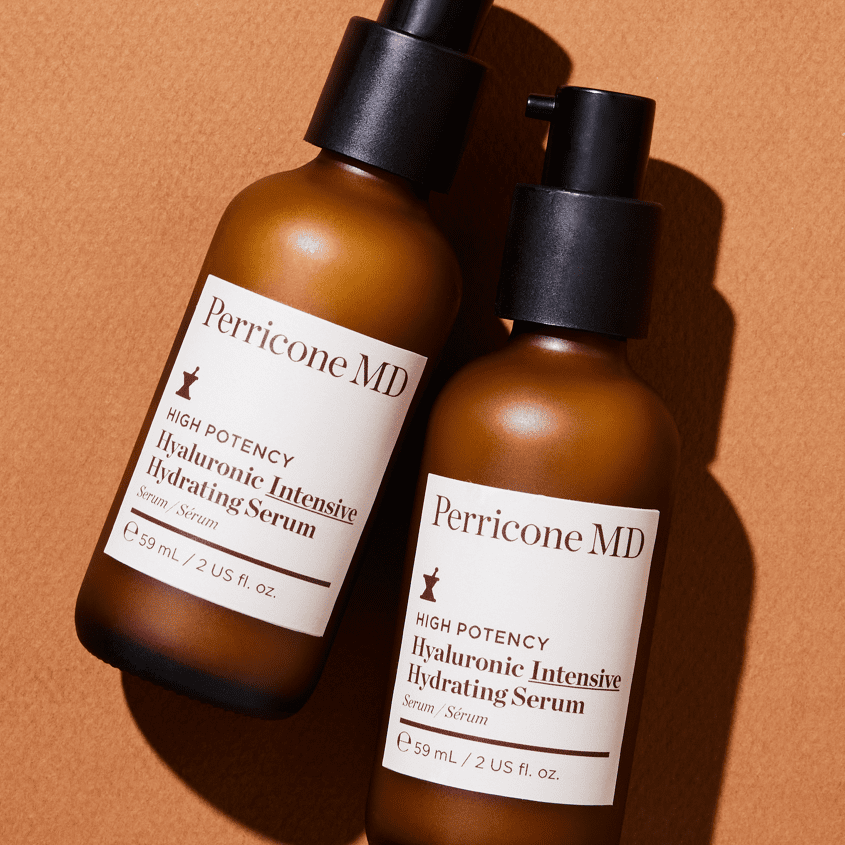
For optimal results, apply retinol first to clean, dry skin. Then layer a hyaluronic acid serum, like High Potency Hyaluronic Intensive Hydrating Serum, to hydrate and soothe, followed by a moisturizer to lock everything in. This routine maximizes retinol’s benefits while minimizing discomfort.
Can You Use Hyaluronic Acid With Vitamin C?
Absolutely. Vitamin C brightens and evens tone, making it a go-to for dull or uneven skin. Hyaluronic acid enhances hydration and helps smooth the skin’s surface, creating a well-rounded routine that targets both tone and texture. Apply vitamin C first, then layer hyaluronic acid on top.
Can You Use Hyaluronic Acid With Niacinamide?
Yes. These two ingredients complement each other well, providing intense hydration and moisture barrier support. If layering, apply niacinamide first, then hyaluronic acid. To optimize absorption, wait 30-60 seconds between each step.
Can You Use Salicylic Acid With Hyaluronic Acid?
Yes you can. Salicylic acid exfoliates and helps unclog pores, which can make it drying. Hyaluronic acid replenishes lost moisture to offset any potential salicylic acid effects. Use hyaluronic acid after salicylic acid to calm and hydrate the skin.
Can You Use Hyaluronic Acid While Pregnant?
While hyaluronic acid is considered non-toxic, non-irritating and naturally produced by the body, we always recommend checking your pregnancy regimen with your doctor.
Can Hyaluronic Acid Cause Breakouts?
Hyaluronic acid does not typically cause breakouts, but if used incorrectly, it can cause surface dehydration, which might clog pores. Always apply hyaluronic acid to damp skin and, if it’s in a serum, follow with a moisturizer to lock in hydration.
Why Hyaluronic Acid Should Be Part of Your Routine
There’s a reason hyaluronic acid has earned its reputation as a must-have skincare ingredient. It delivers what your skin needs most, hydration, while supporting its structure, texture and long-term resilience.